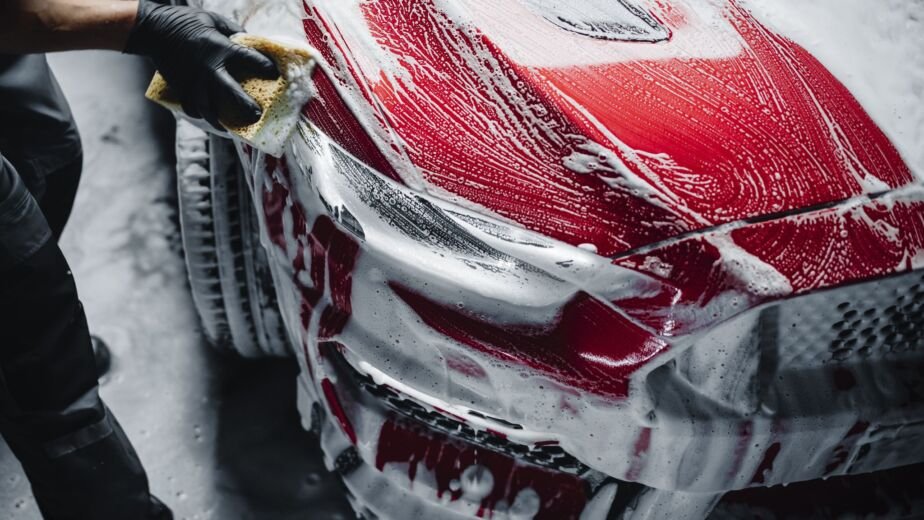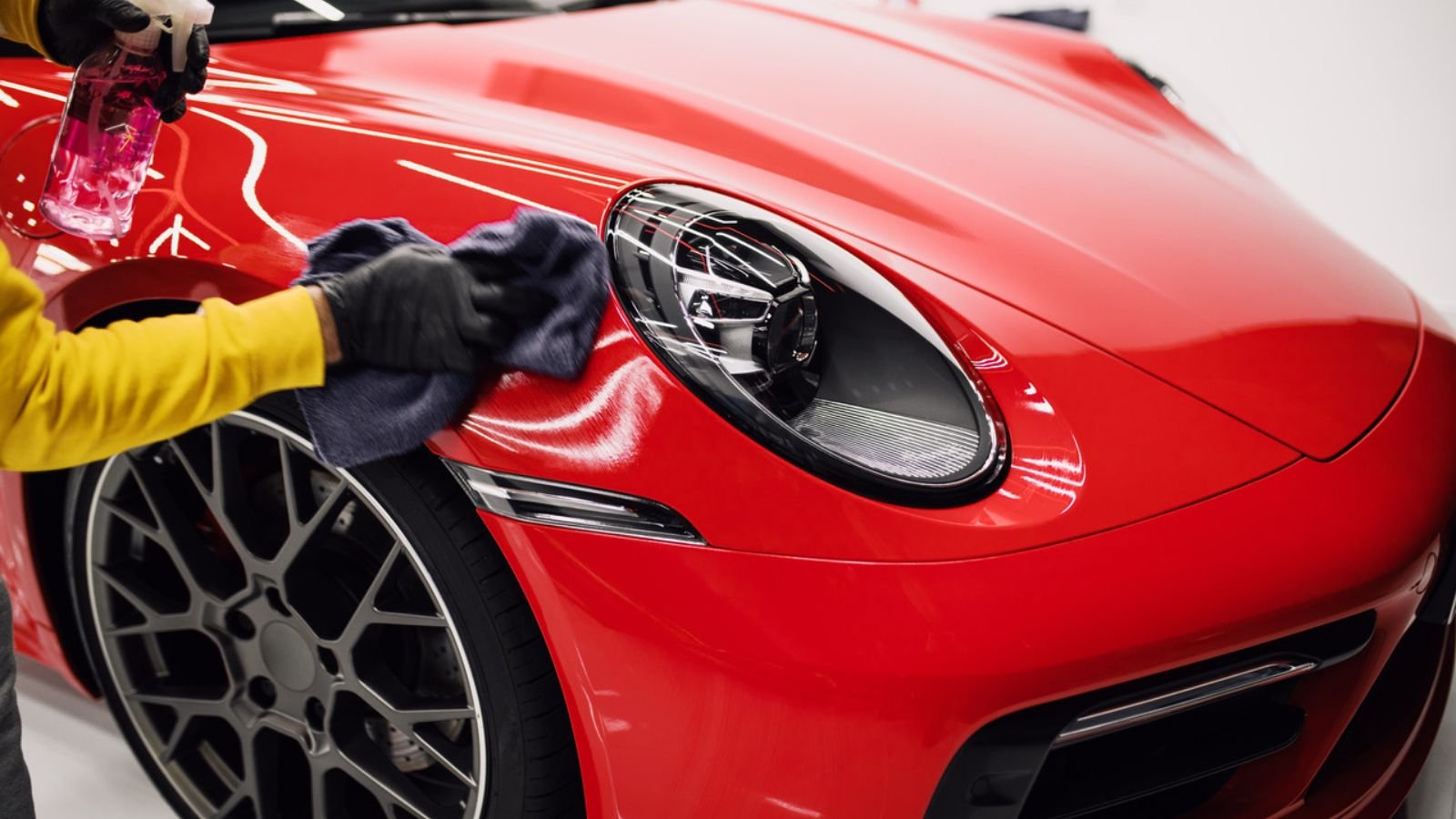
Auto detailing helps protect a vehicle from dirt and grime while keeping the paint surface clean and well-maintained. Choosing between DIY vs. professional auto detailing services often comes down to time, cost, skill, and the level of finish expected. Professional services deliver deeper cleaning and longer protection, while DIY methods can handle routine maintenance at a lower cost.
In this guide, DIY and professional auto detailing are examined through cost, tools, time, and results, showing the limits of home methods and where professional services make a difference.
DIY vs. Professional Auto Detailing: Key Differences
DIY and professional approaches differ most in what they cover, the gear used, the skill level required, and how much time they take. These differences affect results, cost, and how long the car stays protected.
Scope of Services and Techniques
Routine DIY detailing focuses on exterior washing, interior vacuuming, window cleaning, light waxing, and tire care. Clay bar treatments or single-stage polishing may be added, though advanced correction and coatings are uncommon at home.
In contrast, professional detailing provides paint correction, machine polishing, full decontamination, and deep interior cleaning. Detailed inspections, defect removal, and proper curing methods allow for more complete restoration and longer-lasting protection.
Tools and Equipment Comparison
DIY detailers rely on consumer-grade tools like wash mitts, microfiber towels, orbital polishers, clay bars, and retail waxes or sealants. These tools are effective for maintenance but limit precision, speed, and consistency.
Professional detailers use dual-action and rotary polishers, paint meters, infrared curing lamps, industrial extractors, and steam machines. This equipment enables finer correction, faster turnaround, and longer-lasting results, which contribute to higher service costs.
Expertise and Skill Levels
DIY skills such as proper washing, drying, and light polishing can be learned with practice and help reduce surface damage. Results depend heavily on technique and product choice.
Professional detailers are trained to evaluate paint condition and select the correct compounds and pads. Their experience with controlled polishing and material-specific chemicals ensures consistent outcomes, especially for complex correction and coating work.
Time Commitment and Convenience
DIY detailing requires time for preparation, cleaning, curing, and repeating steps. Depending on scope and experience, a full detail can take several hours or an entire weekend.
Professional detailing minimizes time commitment. Services are completed within a few hours or a single day, with added convenience from drop-off, mobile options, or scheduled pickups for reliable results.
Professional Auto Detailing: Benefits and Value
Professional detailers use stronger tools and proven methods to fix and protect a car’s surfaces. They remove deep grime, correct paint issues, and apply coatings that last months or years. Jobs often include interior restoration, engine bay cleaning, and tailored paint protection.
Access to Professional-Grade Products
Professional detailing relies on commercial-grade cleaners, compounds, and sealants not typically available at retail. These products support paint correction, deep carpet cleaning, and sanitizing through steam and extraction.
Proper product selection lowers the risk of damage. Trained detailers match abrasives and chemicals to specific materials, protecting paint, leather, plastics, and fabric while delivering deeper, safer cleaning.
Comprehensive Cleaning and Protection
Professional detailing treats both visible and hidden areas. Exterior services include decontamination, polishing, and wax or ceramic coating, while interiors receive extraction, steam cleaning, conditioning, and odor removal.
This thorough process removes embedded contaminants and prepares surfaces for long-term protection. Paint clarity improves, scratches are reduced, and interiors regain cleanliness beyond basic DIY methods.
Long-Term Results and Resale Value
Professional treatments last longer than typical DIY efforts. Ceramic coatings, sealants, and paint protection film guard against UV exposure, road grime, and abrasion while making future cleaning easier.
Well-maintained vehicles with professional detailing records often retain higher resale value. Clean paint and preserved interiors signal consistent care and support stronger buyer confidence.
When Professional Detailing Is Recommended
Professional detailing is best for paint correction, deep stains, persistent odors, or long-term protection. It is especially useful before resale, after purchasing a used vehicle, or following harsh environmental exposure.
Specialized services such as lifetime ceramic coating, paint protection film, and multi-step correction require professional skill and equipment. Routine washing and light cleaning between visits help maintain these results.
Which Detailing Method Is Best for You?
Choose based on money available, how much time they can spend, and what results they want to keep the car looking like new or simply clean for daily use.
Factors to Consider: Budget, Time, and Goals
The best detailing method depends on budget, available time, and the level of finish expected. Some vehicles only need routine cleaning, while others benefit from deeper correction and long-term protection.
Balancing cost, effort, and desired results helps determine whether DIY detailing, professional service, or a mix of both makes the most sense.
Profile-Based Recommendations
DIY detailing works well for hobbyists who enjoy vehicle care and want affordable maintenance. With basic tools and practice, good results are achievable for routine paint and interior upkeep.
Professional detailing fits busy owners, resale preparation, harsh driving conditions, or high-value vehicles. Many owners benefit from combining both approaches by using professional services periodically and maintaining results at home between visits.
Frequently Asked Questions
What are the primary differences between DIY and professional auto detailing?
DIY detailing is done by the vehicle owner using consumer products like car wash soap, wax, microfiber towels, and handheld polishers. It usually targets visible dirt, interior vacuuming, and basic waxing.
Professional detailing is done by trained technicians who use stronger cleaners, paint-correction tools, and controlled processes. They add services such as machine polishing, clay-bar decontamination, and ceramic coatings that require skill and experience.
Can DIY auto detailing achieve the same quality results as professional services?
For routine cleaning and light polishing, DIY can reach good results if the person has patience and the right products. Simple tasks like shampooing seats, cleaning glass, and waxing can look nearly as good as a basic professional job.
For paint correction, deep stain removal, or long-lasting ceramic coatings, DIY rarely matches pro results. Professionals use machines, experience, and products that produce more consistent, longer-lasting finishes.
What are the cost benefits of DIY detailing versus hiring professionals?
DIY costs are lower upfront. Basic supplies, soap, towels, a vacuum, and polish can cost a few dozen to a few hundred dollars and then serve multiple uses.
Professional detailing costs more per visit, often from modest rates for an interior clean to several hundred dollars for paint correction or coatings. Paying a pro can save time and avoid buying specialized equipment that a homeowner may not use enough to justify the expense.
How does the longevity of DIY detailing compare to professional work?
Basic DIY cleaning and waxing protect surfaces for weeks to a few months, depending on conditions and product quality. Regular DIY maintenance can keep a car presentable, but often requires more frequent touch-ups.
Professional services like multi-stage paint correction and ceramic coatings can last many months to several years when applied properly. Those treatments give stronger resistance to UV, contaminants, and light scratches than typical consumer waxes.
What specialized equipment do professionals use that might not be available to DIY detailers?
Professionals use orbital and dual-action polishers for controlled paint correction. They use clay bars or clay mitts with lubricants, IR curing lamps for coatings, and high-volume extractors for deep interior cleaning.
They also use industrial-grade steam cleaners, air compressors for blow-outs, and high-quality compound and polish formulations that are less common at retail. Many of these tools require training to use safely and effectively.
Is there a risk of damaging my vehicle with DIY detailing as opposed to professional services?
Yes. Common DIY mistakes include using dirty or abrasive towels that cause swirl marks, applying polish incorrectly, or using the wrong chemical on vinyl or leather. Overzealous scrubbing or improper machine-polishing techniques can remove clear coat.
Professionals reduce these risks through training, test spots, and safer tool choices. However, no option is risk-free; even pros can make mistakes, so choosing a reputable shop matters.
Z Auto Detailing – Interior & Exterior Mobile Detailing Services
At Z Auto Detailing, we bring professional care and meticulous attention to every car, truck, or SUV that comes through our doors. From mobile auto detailing and paint correction to ceramic coatings, our expert team delivers results that turn heads.
Whether you’re protecting your investment or prepping for a special occasion, we’ve got you covered.
Schedule your appointment today!
Experience the Z Auto Detailing difference — where quality and shine meet.